I Pasted a URL and Found 20 Finished Ads Waiting in My Ad Account

You know the part nobody talks about? It's not the ad spend. It's the Tuesday afternoon you lose to Canva. You're dragging text boxes around, second-guessing the font, realizing the copy you wrote doesn't match the image you built, and you've got nothing to show for the afternoon except a mild headache and one ad that's probably fine.
The tools kept promising to fix that. Most of them hand you a stack of images and then leave you alone with a blank copy field — which is exactly the part that eats the day. Some of them want a monthly subscription before they'll let you see what they made. All of them want you to do more work than the word 'AI' implies.
I run ads for a living. I was tired of patching together image tools, copy tools, and manual uploads into something that halfway worked. Then a comment in a Facebook group pointed me somewhere I didn't expect.
Someone posted a screenshot. Twenty ad thumbnails, all different angles, all ranked strongest to weakest, sitting inside an actual Meta ad account — paused, ready to review. The caption just said: 'Pasted my sales page. Went to lunch. Came back to this.'
I was skeptical enough to click. What I found was Instant Image Ads — a tool that reads your sales page URL, pulls out your audiences and selling points, and builds 20 finished Facebook and Instagram ads in one pass. Not drafts. Not raw images with a note that says 'add your own copy.' Finished ads: image, primary text, headline, description, and CTA button, all written together, for the same idea, pushed directly into the campaign and ad set you pick — paused, never running until you say so.
I checked my ad account three times before I believed it.
It reads your page — so it's not guessing
Every batch starts with Instant Image Ads pulling the actual content off your sales page. It finds your audiences, your strongest selling points, your offer. That's the input. Which means the ads it builds sound like your product, not a generic template someone else's brand already ran. You're not fighting the output to make it fit.
Image and copy are born together — not bolted on after
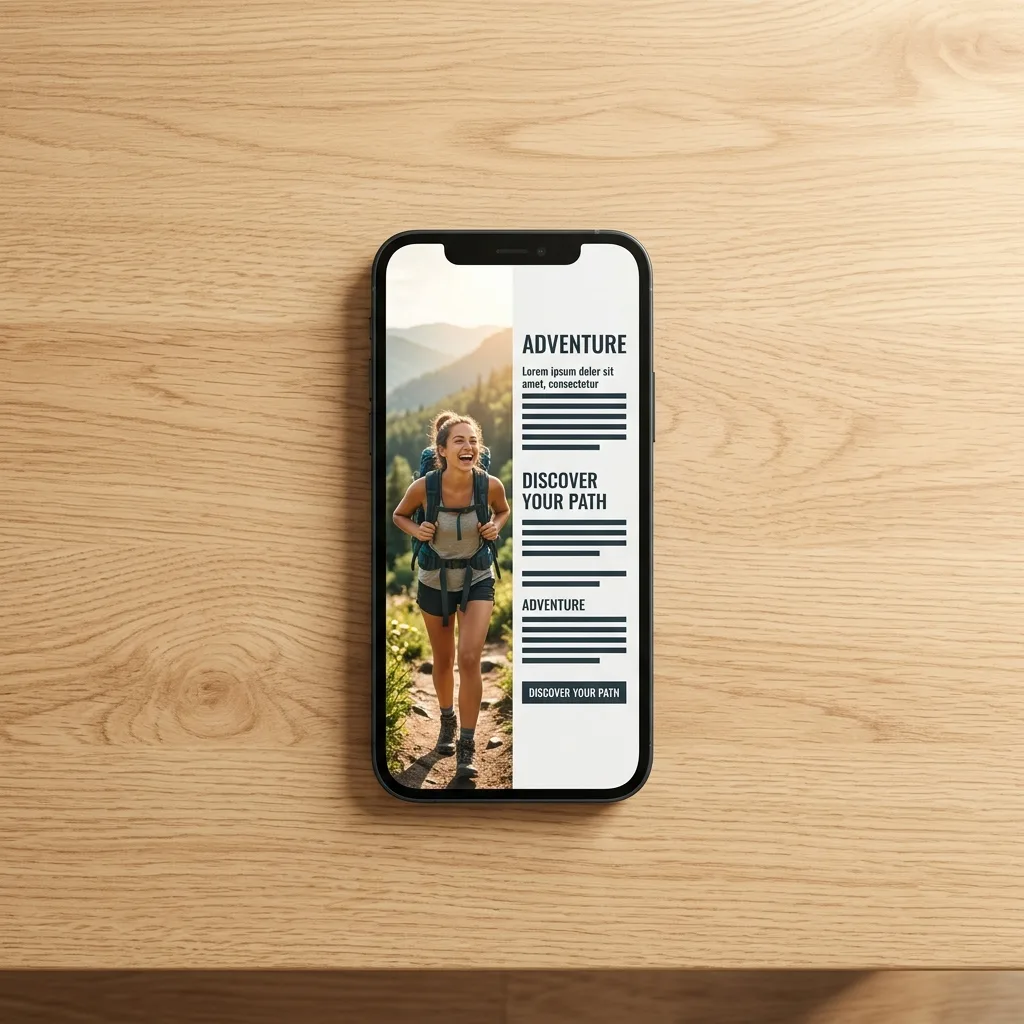
This is the part that actually saves the day. Each ad is one image plus its Facebook primary text plus every Meta placement field, generated as a single unit. The copy is written for that specific image. The image is built for that specific angle. You never have to figure out if they match, because they were never apart. Twenty of those, across 28 formats, with no two the same.
They land in your account paused — not live, not running, not spending
Every finished ad pushes into the campaign, ad set, and pixel you chose. Always paused. Zero dollars moving until you flip it on yourself. You can see them ranked strongest to weakest, each one with the reason attached, before a single impression is bought. That's not a small thing when you've ever had something run overnight that shouldn't have.
One-click redo means you fix the one thing, not the whole batch
If an image isn't right, you hit redo on that ad and get a fresh image. If the copy misses, same thing — fresh copy on that one ad, everything else stays. You're not regenerating 20 ads because slide three was off. When you're running five client pages and every credit counts, being able to fix one line and keep the other nineteen is what makes the thing actually usable.
Carousels too — and they go out even without an ad budget
The tool also builds 6 and 8 slide carousels in 11 named visual styles. If you're not ready to run paid traffic yet, you send them out through Buffer instead — Facebook, Instagram, LinkedIn, X, Pinterest. Same finished creative, no ad spend required. The Meta account push isn't the only door in the building.