Every Day You Wait Is Another Day the Algorithm Tests Someone Else's Ads
Here's the part nobody puts in the course: the algorithm doesn't wait for you to feel ready. It runs on whoever shows up with enough creative variety to test. And most small accounts show up with three ads. Maybe four. All the same angle, same image style, same copy rhythm — because that's what one person can produce in an afternoon.
So the budget goes to the audience that looked, didn't convert, and moved on. The algorithm shrugs. You refresh the dashboard. Nothing. You paste together a fifth ad at 11 p.m. and tell yourself you'll build a real test next week.
Next week looks exactly the same.
I started digging around for something that could actually solve the volume problem — not outsource it to a freelancer, not teach me a new skill set, just fix it. A comment thread led me to Instant Image Ads.
The pitch sounded almost too plain: paste your sales page URL, get 20 finished Facebook and Instagram ads. Image, copy, and every Meta field — headline, description, CTA button — generated together in one pass, dealt across 28 different ad formats with no repeats. Then they push straight into your own ad account as paused ads, ranked strongest to weakest, with the reason attached.
That last part is the one that got me. Not 20 image files sitting in a Google Drive. Not 20 copy blocks in a doc. Twenty actual ads. In the account. Switched off, waiting for you to decide which ones run.
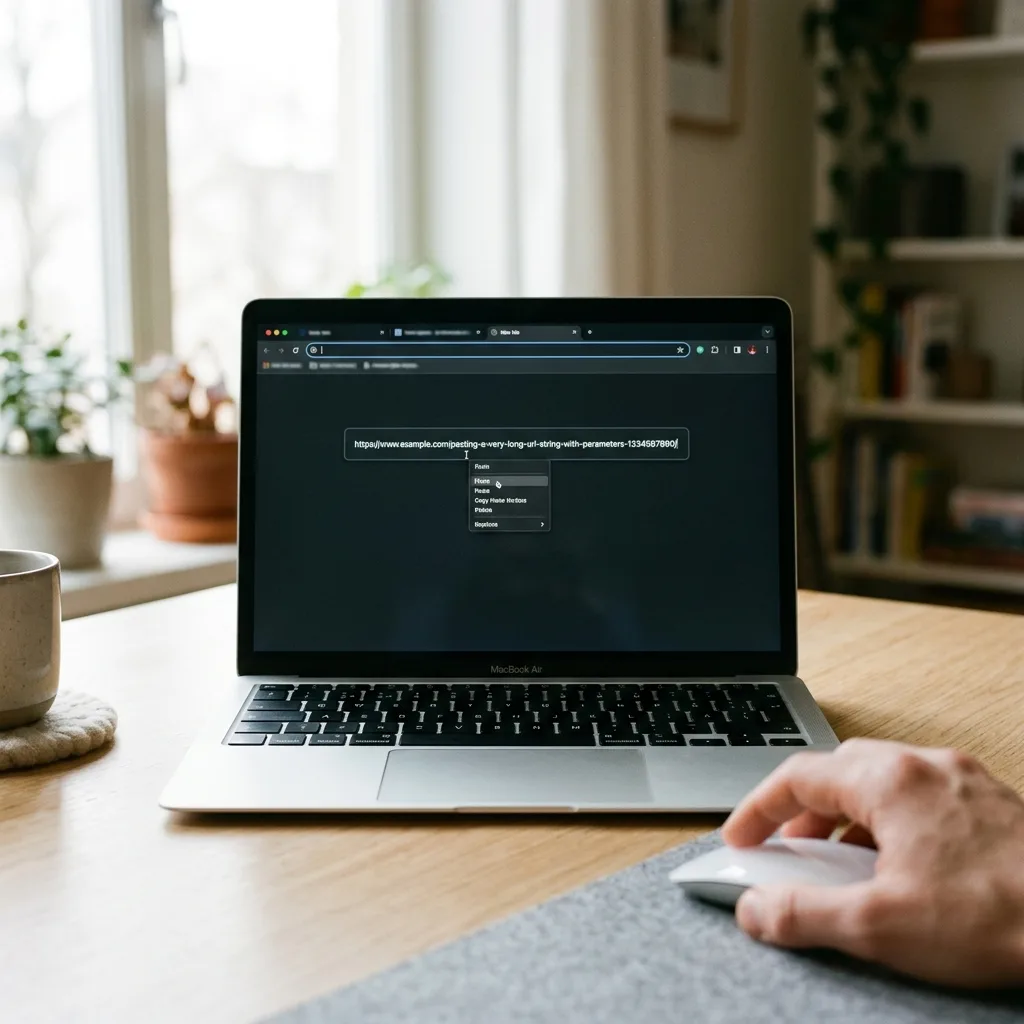
It reads your page, not a generic prompt
Every batch starts by reading your actual sales page — your audience, your angles, your selling points. That's why the copy doesn't sound like it came from a template. It sounds like it came from someone who actually read what you sell. You're not editing AI slop. You're mostly just picking which ones run first.
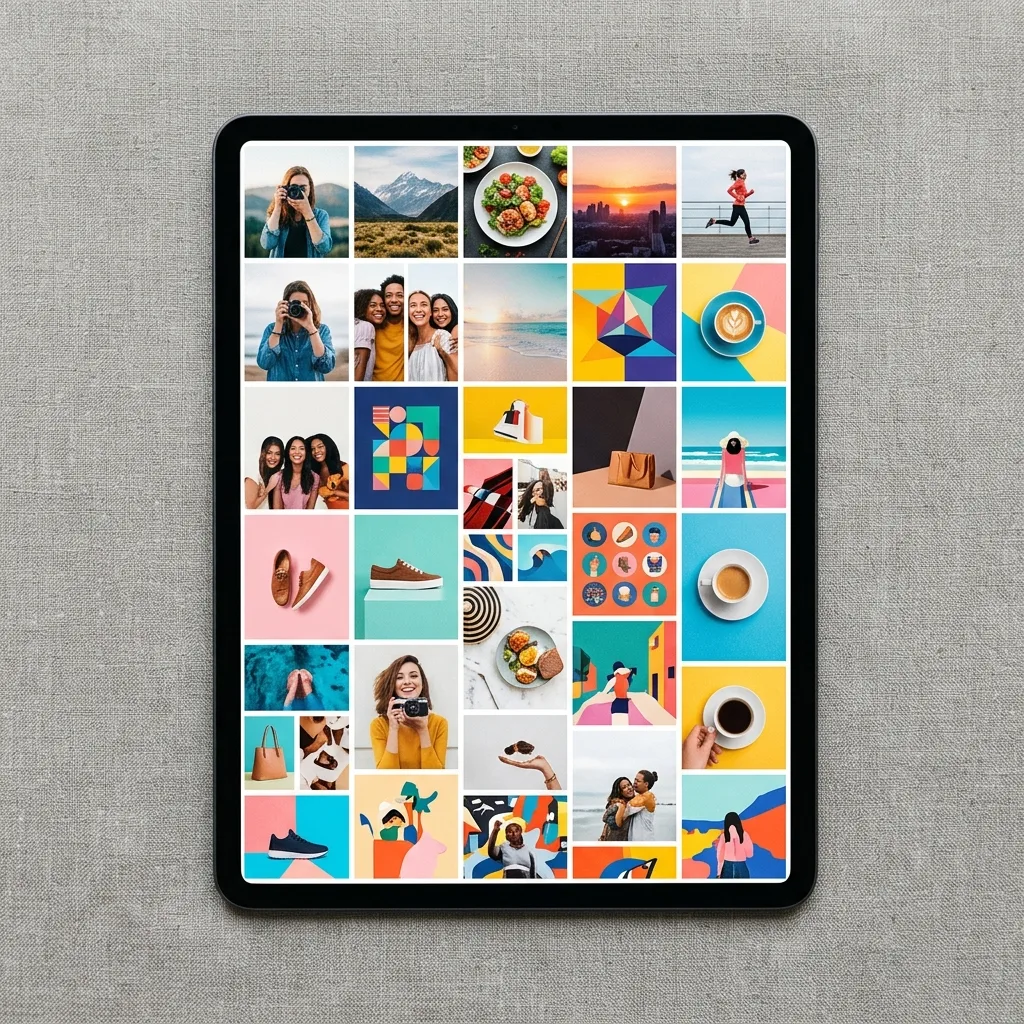
28 formats, no repeats — the algorithm gets real variety
One batch deals 20 ads across 28 different formats. That's not the same ad re-skinned four times. Different visual styles, different copy angles, different emotional temperatures. The Meta algorithm needs variety to find the winner. This is how you give it that without burning a week.
Carousels in 11 visual styles — gated behind a contact sheet
Six and eight-slide carousels come with their own contact sheet so you can see the full deck before anything gets built. Spot a slide that's off? Fix it at that stage and the tool only charges credits for what you actually keep. It's the only part of the workflow that respects the fact that you know your brand better than any AI does.
One-click redo — without touching the other nineteen
A single ad's image looks wrong. Or the copy doesn't quite sound like you. One click regenerates that piece — fresh image or fresh copy — and leaves the rest of the batch alone. You're not rebuilding from scratch. You're fixing one line and moving on.
Push to Meta paused — or send to Buffer without spending a dollar
Finished ads push directly into the campaign, ad set, and pixel you pick — always paused, always in rank order. Not ready to spend on reach yet? Send the same batch to Buffer for Facebook, Instagram, LinkedIn, X, and Pinterest. You're not locked into the ad account as the only exit.
Instant Image Ads is a one-time purchase. No monthly subscription to forget about. No recurring charge sitting in a bank statement six months from now. You get 1,000 starter credits — that's about 40 finished ads plus 4 carousels — and you own them.
Here's what that means in practice: paste your URL, get 20 finished ads in one batch. Images, copy, and every Meta field written together, pushed to your account as paused ads, ranked strongest to weakest. Run another batch whenever you need one. Carousels available in 11 visual styles. One-click redo on any individual ad. Buffer export included.
The algorithm is running right now. On someone's ads. This is how you make sure some of those ads are yours.
Get Instant Image Ads — One-Time Purchase →Questions people actually ask
I already have a tool that makes ad images. Why do I need this?
Most image tools hand you a picture and leave the copy to you — which is the part that actually takes time. Instant Image Ads writes the image and the copy together, in one pass, from your actual sales page. The ad is finished. You're not matching pieces afterward.
What if the ads don't sound like my brand?
The tool reads your sales page before it builds anything, so the copy starts from your language, not a generic template. If a specific ad misses, you redo that one ad — fresh copy, one click, without touching the other nineteen. It's a fix, not a full rebuild.
Is this actually safe to connect to my ad account?
Every ad pushes in paused. Zero dollars running, zero automatic spend. They sit in the ad set you picked, switched off, until you decide to turn one on. That's the design, not a happy accident.
Will this work if I'm not technical?
It's four screens: paste the link, review what it pulled from your page, fix anything it got wrong, press the button.
Honestly — is there a type of business this won't work for?
Yes, honestly. If your sales page is thin — a few lines, no real selling points — the tool doesn't have much to read and the output reflects that. It works best when your page already explains your offer clearly. If the page needs rewriting, do that first.
What happens when I use up the starter credits?
The 1,000 starter credits cover about 40 finished ads plus 4 carousels. The product page doesn't show a top-up price here, so check the current options inside your account after purchase. What doesn't change: there's no subscription running in the background eating a fee every month.